Nonstop Eurotrip

Nonstop Eurotrip
May 25, 2026
Click Below To Watch This Video On YouTube!
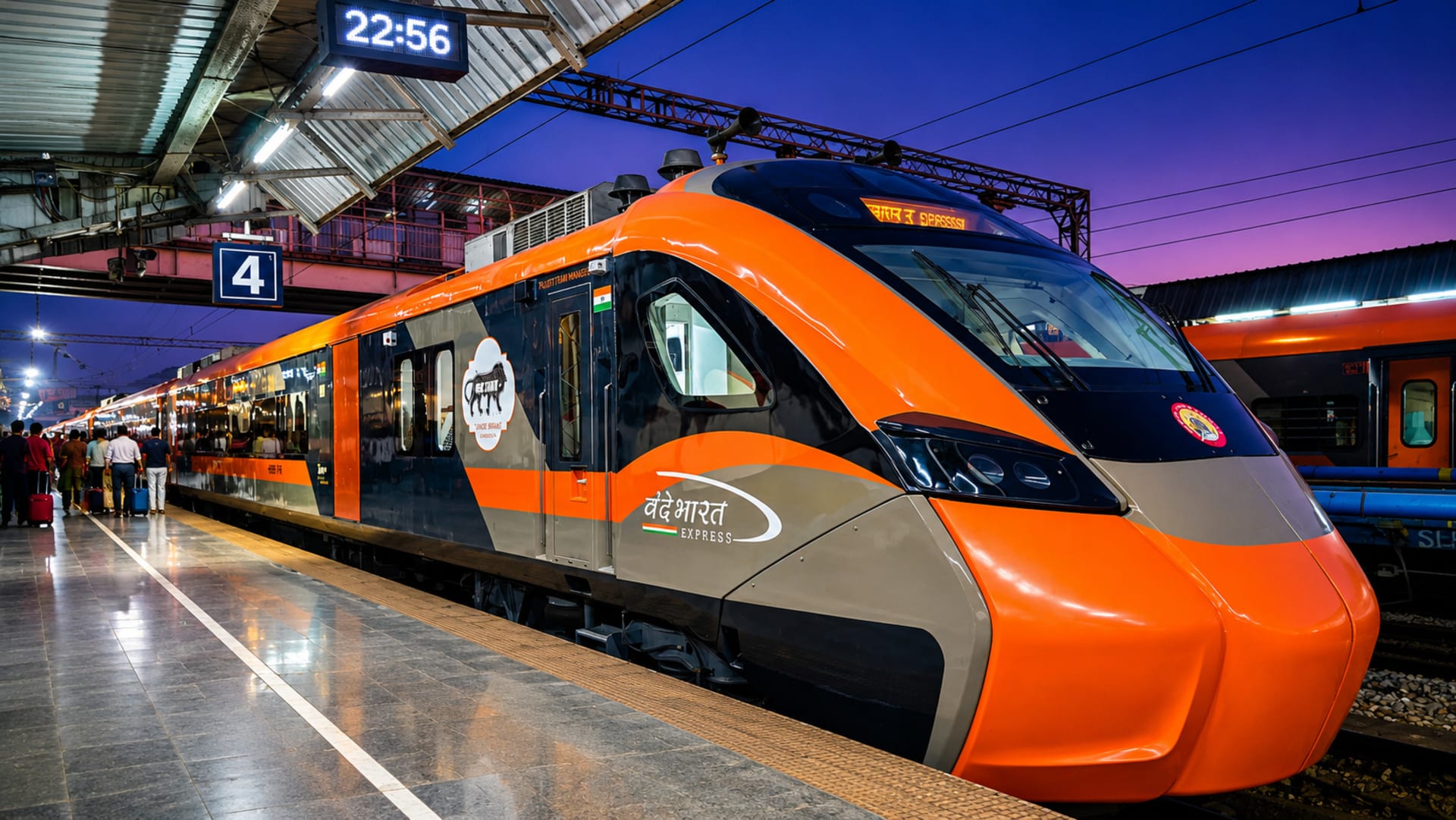
When most people think about trains in India, they imagine ageing coaches, overcrowded carriages, and passengers hanging out of open doors as the train races through the countryside. But Indian Railways is changing rapidly. Tonight, I’m boarding the brand new Vande Bharat Express Sleeper train for a 959km overnight journey from Assam down to Kolkata, travelling in First Class onboard India’s newest and most modern sleeper service. This train only entered service two weeks before filming, and there has already been enormous hype surrounding its launch across India.
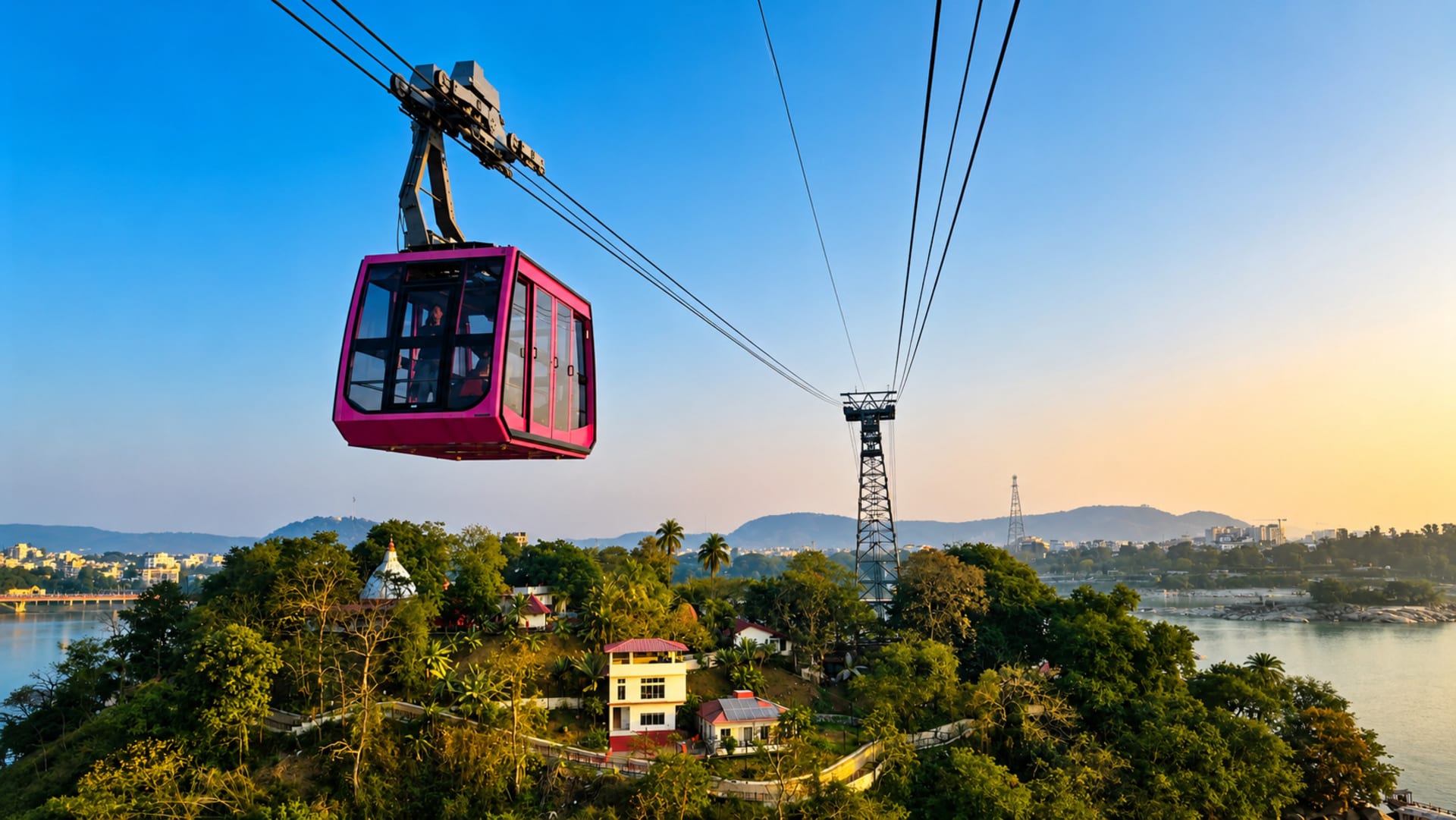
Today’s journey begins in Guwahati, the largest city in the northeastern Indian state of Assam. Home to around 2.4 million people, Guwahati acts as the gateway to India’s northeast, a region known for its tea plantations, wildlife, mountains, and enormous river systems. I only flew in this morning after a very last-minute booking to secure a place onboard this newly launched train. Although my visit was brief, I still managed to spend a few hours exploring the city, including a ride on the Guwahati Ropeway crossing the mighty Brahmaputra River. At over 3,000km (1,900mi) in length, the Brahmaputra is the fifteenth longest river in the world and absolutely dominates the geography of this part of India. But now, it’s time to head to the station.
The Vande Bharat Sleeper service departs from Kamakhya Junction, located around 6.5km (4mi) west of central Guwahati. To reach the station, I booked an Uber from the ropeway terminal, costing just 150 Rupees, which works out to around £1.23, €1.40, or US$1.63. The drive took roughly 20 minutes, and as we approached the station access road, a beautiful Assamese sunset appeared in the distance. This inaugural Vande Bharat Sleeper route between Kamakhya and Kolkata is currently the only sleeper Vande Bharat service operating anywhere in India. Assam itself is geographically isolated from much of India, sitting above Bangladesh and connected to the rest of the country by a relatively narrow corridor of land. As we’ll soon see, that creates a very interesting railway route south towards Kolkata.
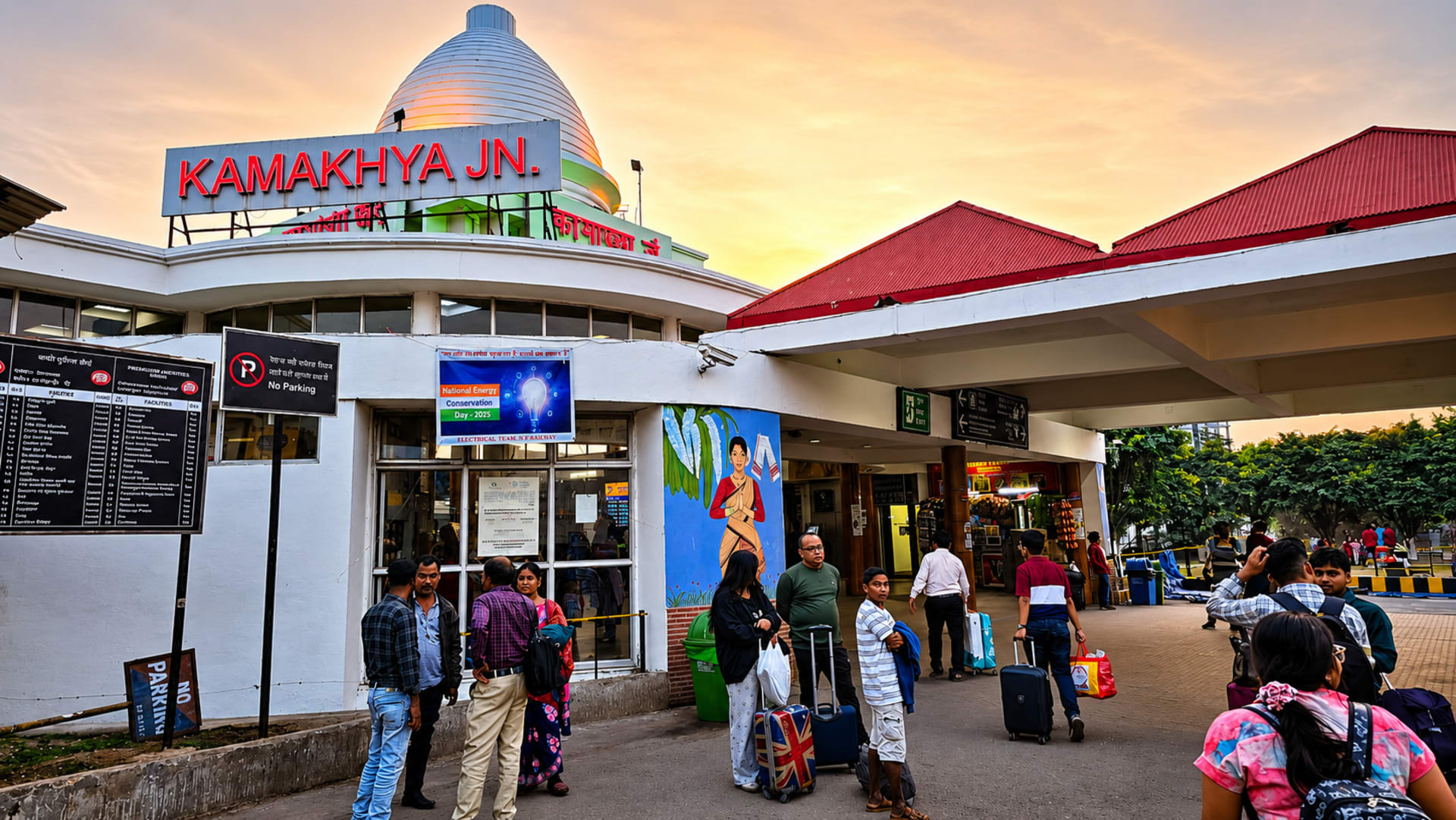
Inside the station concourse are several convenience stores, automatic ticket machines, and staffed ticket counters. There’s also a large air-conditioned waiting room, which is a welcome sight in India’s often chaotic railway stations. One thing to be aware of though is that Indian sleeper trains sell out extremely quickly, especially premium accommodation like First Class. You’ll almost certainly want to book online in advance. Tickets go on sale 60 days before departure and can disappear very fast. The station itself has some lovely decorative artwork celebrating the local Assamese culture, while large electronic departure boards display train information in both Hindi and English. Tonight, we’ll be boarding the Vande Bharat Express Sleeper No. 27576, departing at 6:10pm.
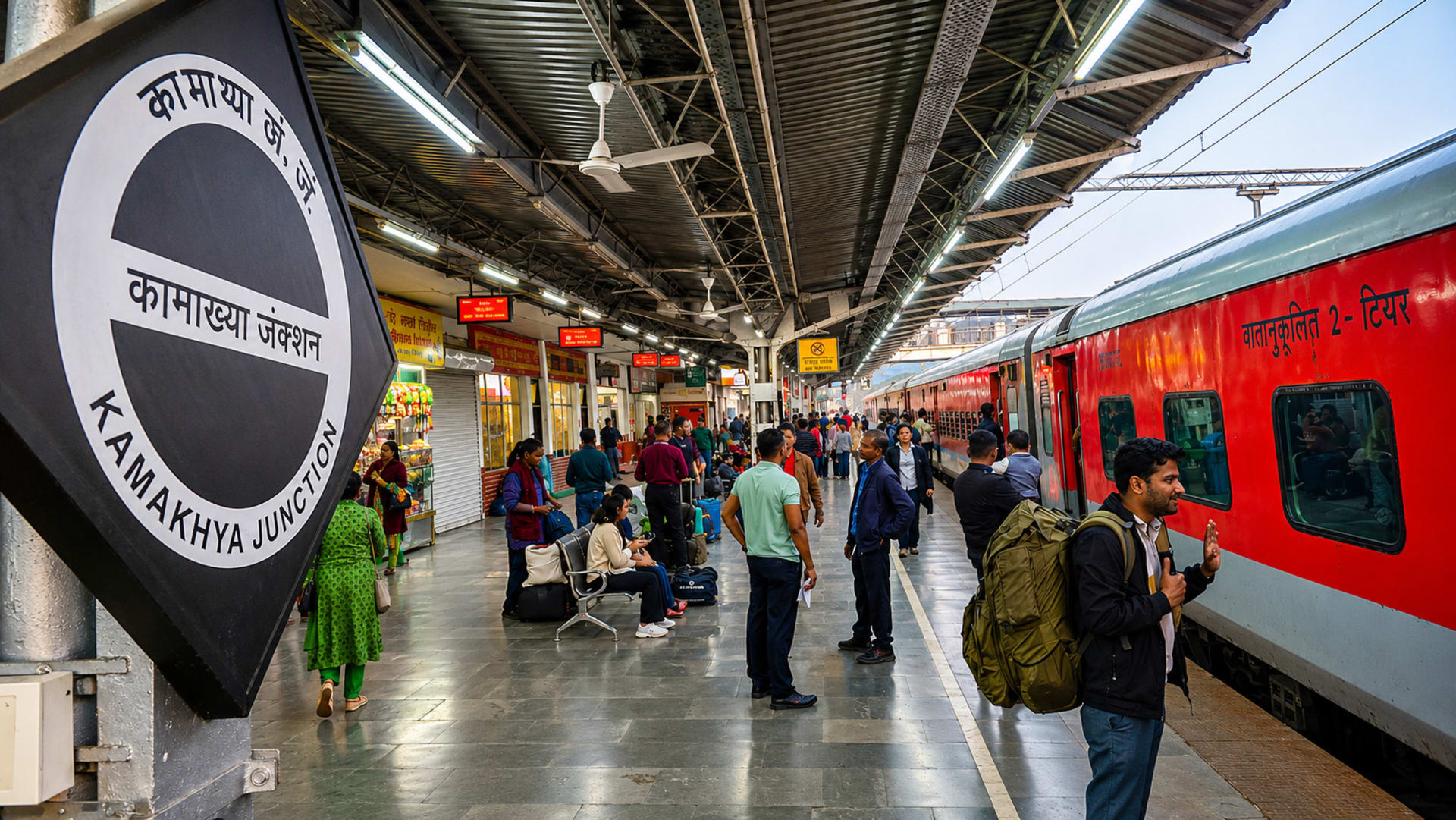
Tonight’s journey will cover the full route from Kamakhya Junction down to Kolkata. After departing Assam, the train heads west beneath Bhutan and Nepal before turning south alongside the Bangladesh border and eventually reaching Howrah Station in Kolkata tomorrow morning. Security checks are theoretically in place at the station entrance, including x-ray scanners and metal detectors, although interestingly none of them appeared to be operating during my visit. While waiting on the platform, I also spotted the Brahmaputra Mail Express preparing to depart for Delhi, another legendary long-distance Indian train route. Electronic platform displays overhead show both train and coach positions relative to where you’re standing, making boarding surprisingly straightforward even on very long trains. And then, around 15 minutes before departure, our train arrived. This is currently the only sleeper Vande Bharat train operating anywhere in the country. These 16-coach electric multiple units are designed for speeds up to 180km/h (112mph), although on this route they currently operate at a maximum of 110km/h (70mph). The train carries a total of 823 passengers across three accommodation classes: 611 passengers in Third Class, 188 in Second Class, and just 24 passengers in First Class, where I’ll be travelling tonight. All accommodation onboard is fully air conditioned. Visually, it’s a very impressive train. The bold orange livery works beautifully, giving it a genuinely modern appearance unlike anything traditionally associated with Indian Railways. India already operates many daytime Vande Bharat Express trains, the first of which entered service back in 2019, but this is the first true overnight sleeper version. Inside, the train feels extremely modern too, complete with integrated CCTV systems and contemporary lighting throughout.
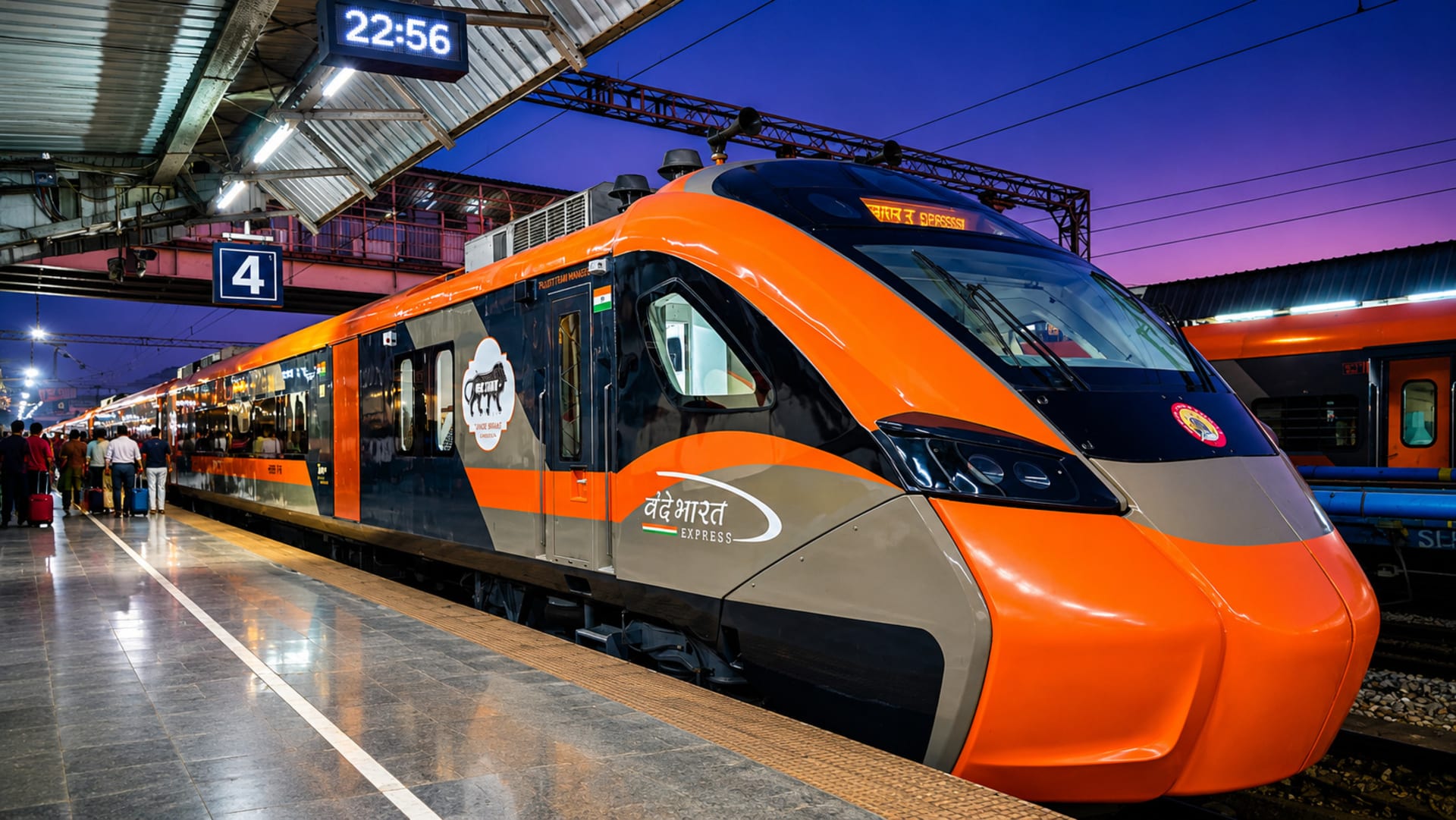
Tonight, I’m travelling in Coach H1, the First Class sleeper coach. Boarding requires climbing two steps up from the platform, although accessibility ramps are available if needed. First Class accommodation consists of two private 2-berth cabins and five 4-berth compartments. Compartment allocations are assigned randomly a few hours before departure based on passenger requirements, and tonight I’ve been allocated Bed 13 inside one of the 4-berth cabins alongside three other passengers. Interestingly, Indian Railways does not currently allow passengers to guarantee exclusive private use of a compartment, even if travelling as a group or booking all four beds. Exactly on time at 6:10pm, we rolled smoothly out of Kamakhya Junction and began our overnight journey south towards Kolkata.
Tonight’s journey covers 959km (596mi) and is scheduled to take exactly 14 hours. Ticket prices are fixed regardless of when you book, although availability can be a serious challenge due to demand. Prices are surprisingly reasonable too. Third Class costs 2,435 Rupees, Second Class costs 3,145 Rupees, while my First Class bed tonight costs 3,855 Rupees, which is only around £31, €36, or US$42.
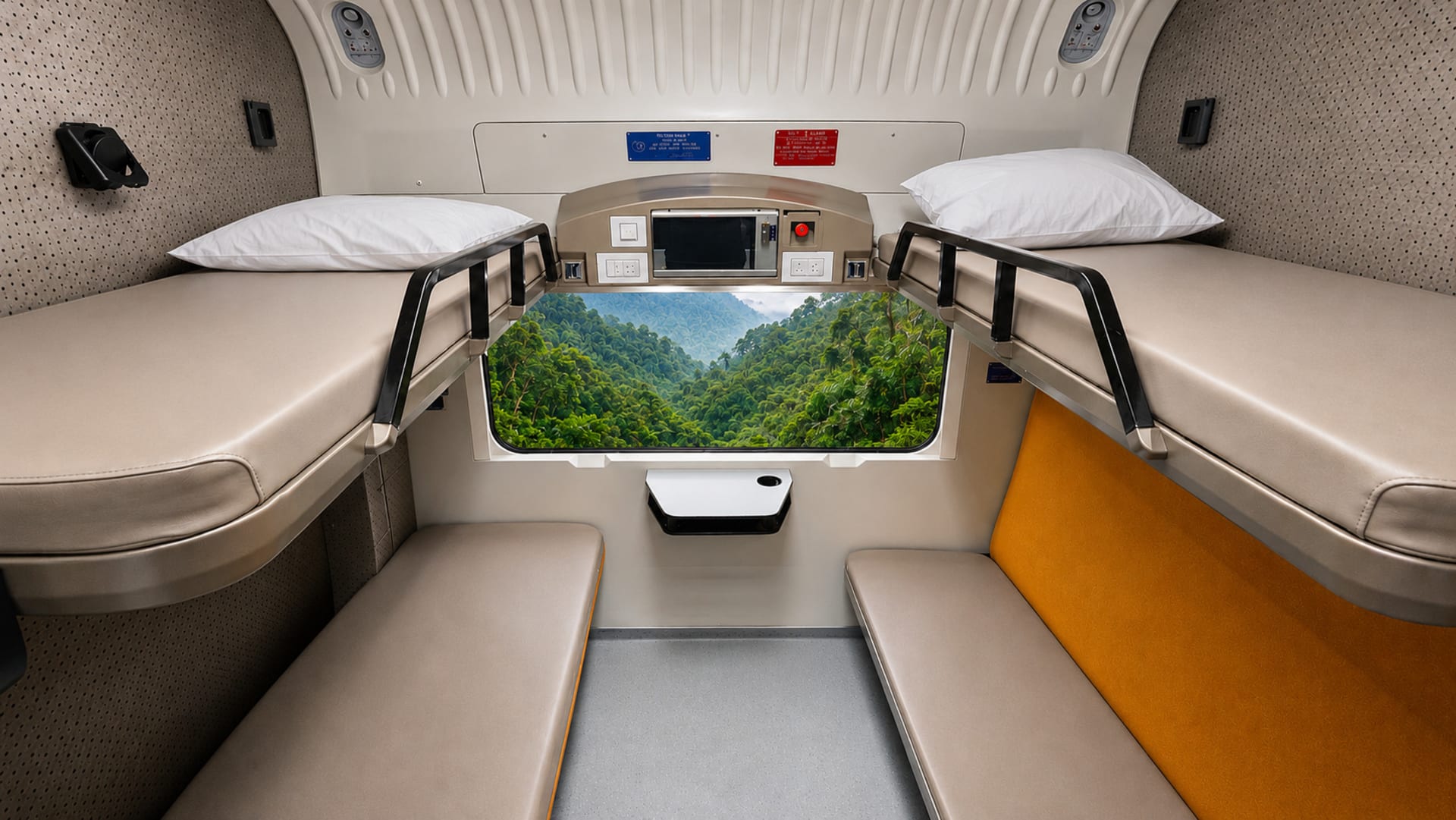
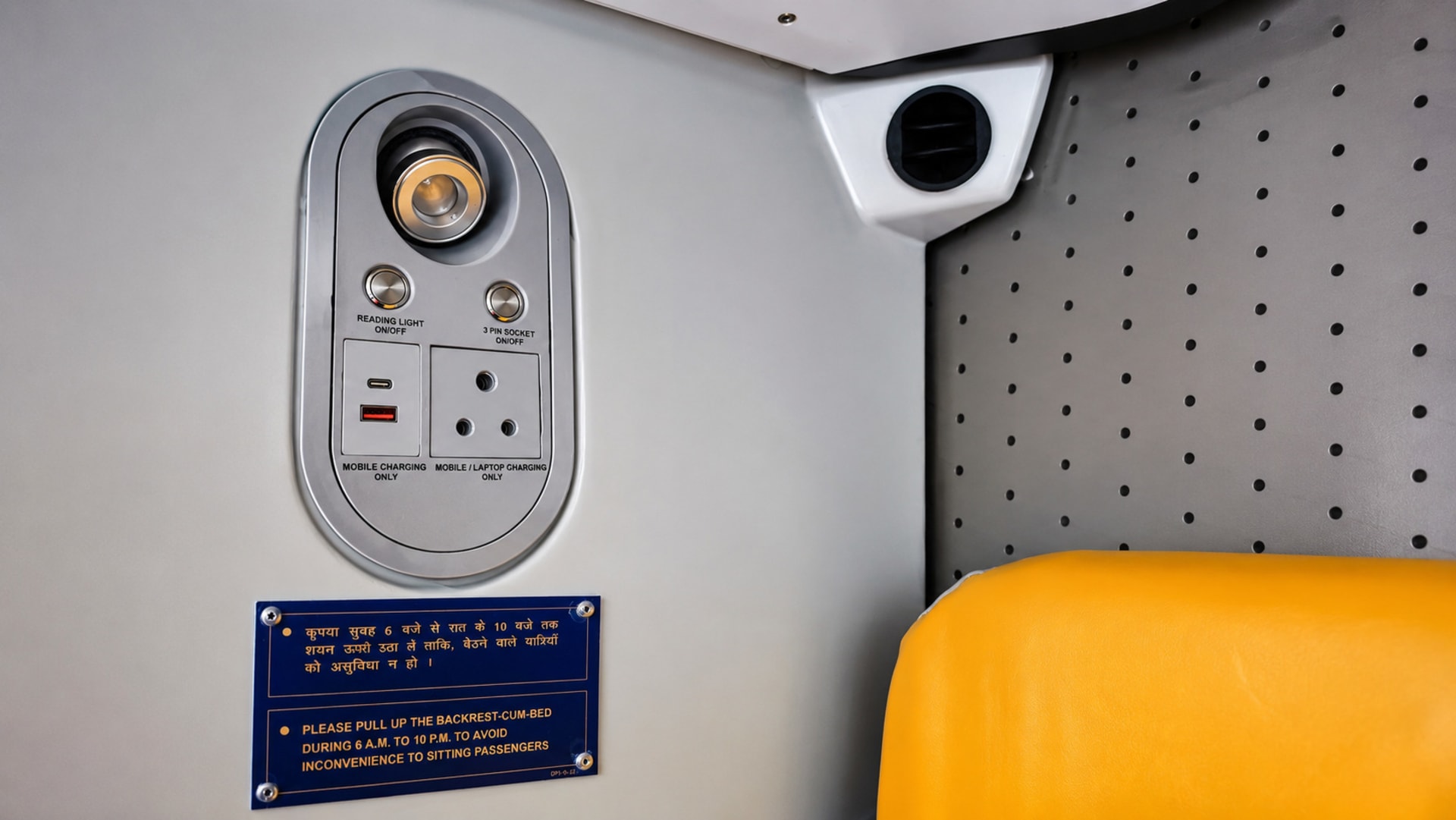
Now it’s time to properly explore my compartment. Thankfully, the three passengers I was sharing with turned out to be incredibly friendly and were fascinated by both my work and the idea of showcasing India’s newest train internationally. The compartment door locks securely from the inside in two separate places. One particularly interesting feature is the smart glass window, which normally remains translucent but can instantly be cleared by pressing a button. Inside the room are four very wide beds arranged two on each side, with lighting and air conditioning vents integrated neatly into the ceiling. Storage space underneath the lower bunks is generous enough for large suitcases and backpacks, while the fold-down mattresses themselves are extremely well padded. The bedding was already made up upon arrival, with soft pillows, a duvet, towel pack, and fresh sheets all provided. Each berth includes reading lights, air vents, power sockets, USB-A ports, USB-C fast charging, phone holders, and cup holders. A small table sits beneath the window, which also features a full blackout blind. Overall, the product feels modern, comfortable, and thoughtfully designed, although it still closely resembles traditional Rajdhani First Class accommodation, just heavily modernised. Personally, I would have preferred more private two-person compartments and the option to reserve exclusive occupancy like you can on many sleeper trains elsewhere in the world. Considering how modern this train is, I think that represents excellent value. The train is also supposed to provide onboard WiFi, although during my journey I could not get it working at all. Thankfully, mobile coverage across much of the route remained surprisingly strong.
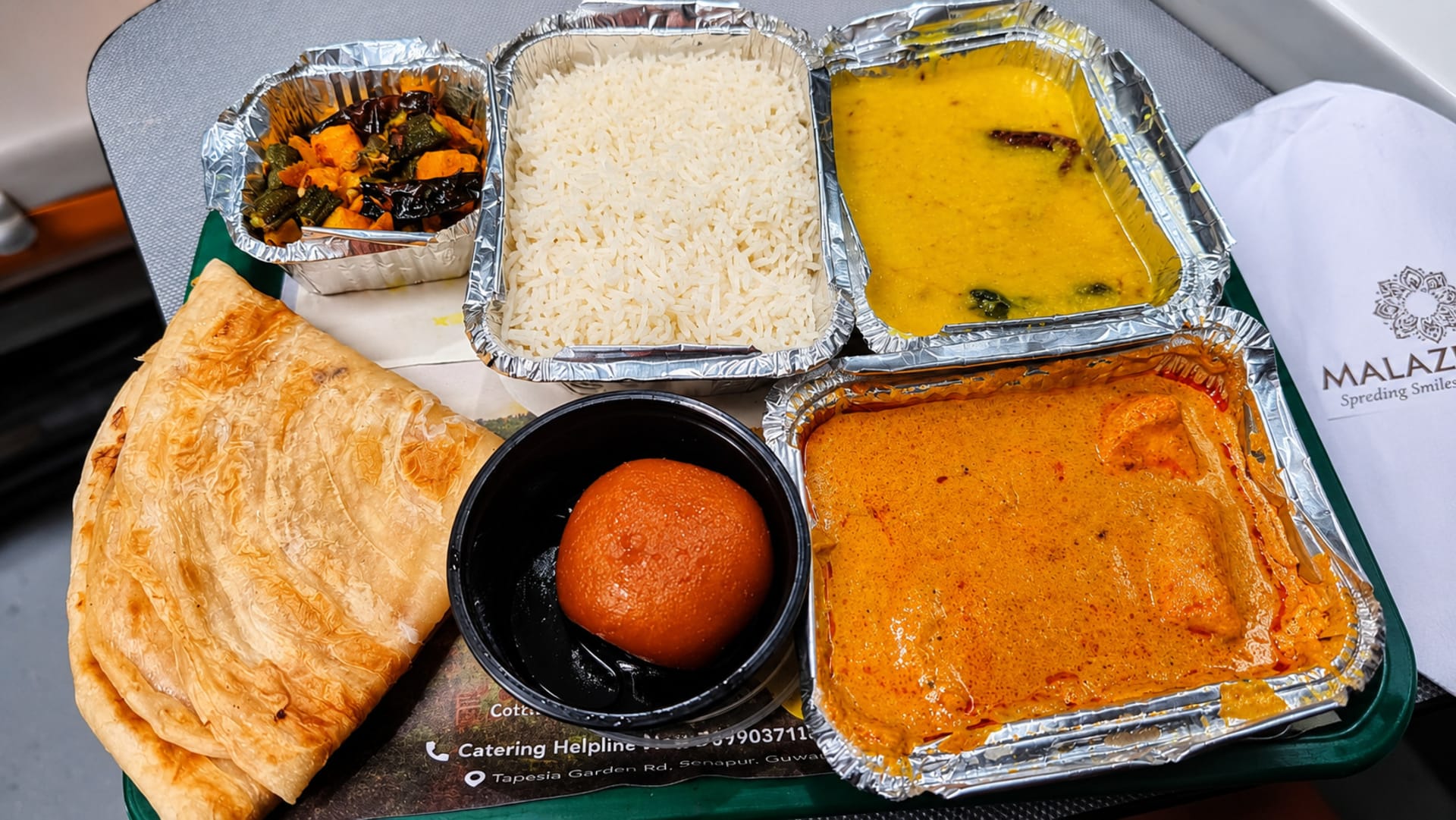
Around an hour after departure, both ticket inspection and dinner service began. The complimentary meal service starts with a bottle of water and a cup of masala chai. Dinner itself arrives on a single tray, with passengers choosing either vegetarian or non-vegetarian meals during booking. I selected the vegetarian option, which included paneer curry, dahl, rice, vegetables, breads, and a Gulab Jamun dessert. Honestly, it was excellent. Flavourful, filling, and nowhere near as spicy as I expected.
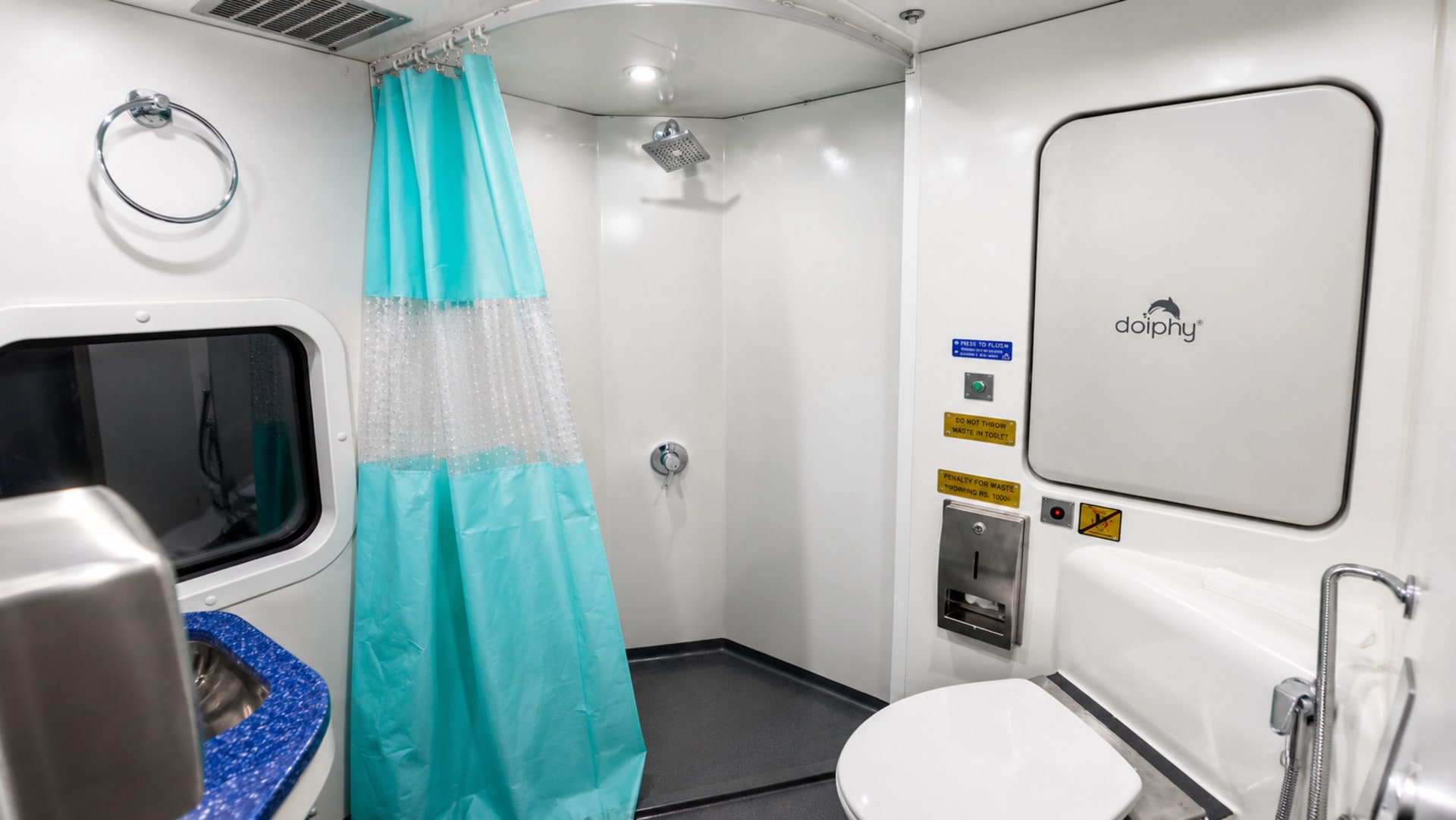
Electronic displays throughout the train show route information in English, Hindi, and Assamese. Each coach contains two toilets, one western style and one traditional Indian style, both of which remained impressively clean and fully stocked throughout the trip. The First Class coach also contains an additional shower room with hot water and surprisingly good pressure.
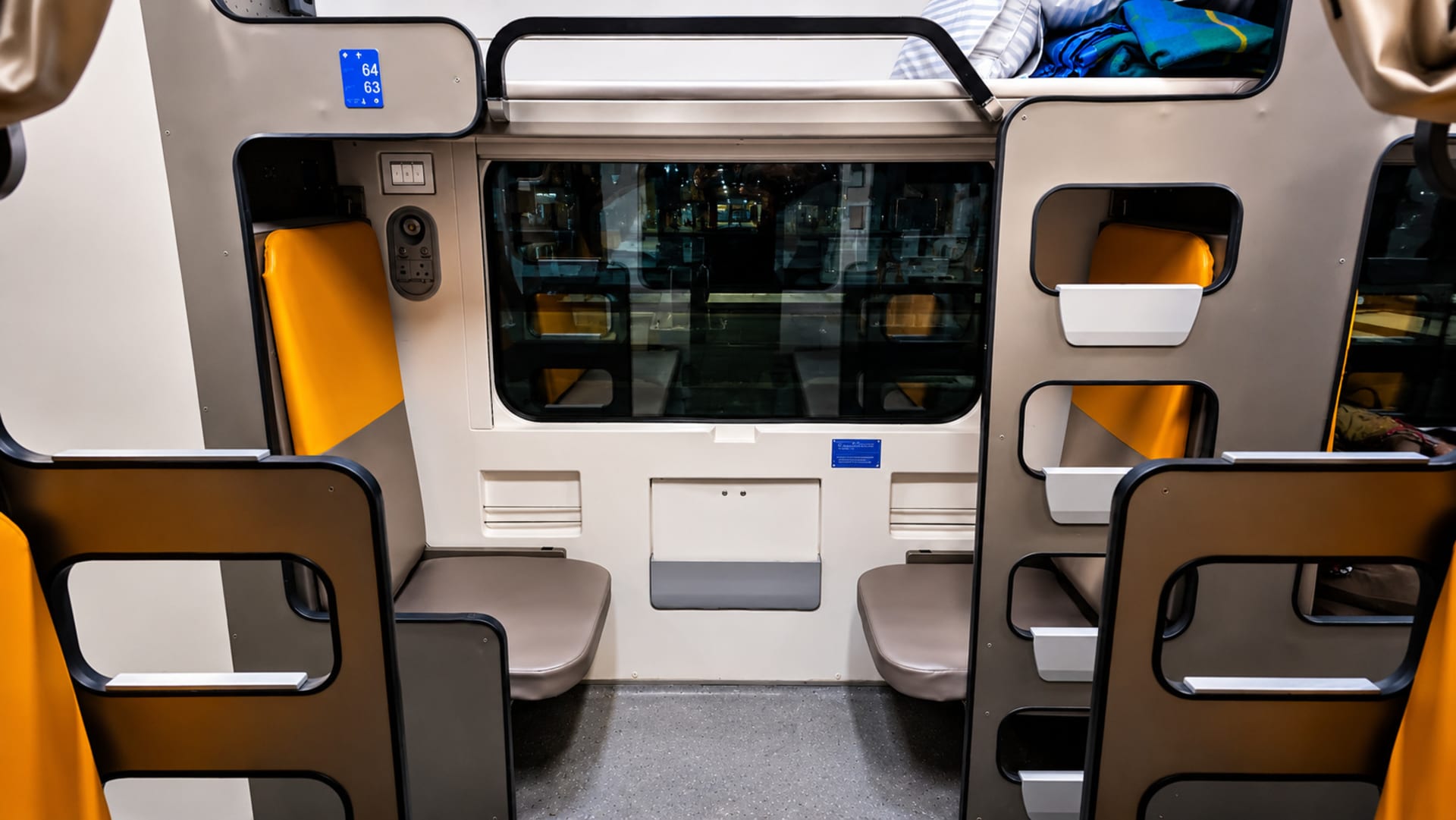
3-Tier AC Third Class accommodation makes up roughly three quarters of the train’s total capacity and uses a three-tier dormitory layout. Although compact, passengers still receive bedding, reading lights, charging ports, and device holders at very affordable prices. 2-Tier AC uses a similar arrangement but with only two bunks per side, wider beds, and added privacy curtains. The train also includes wheelchair spaces, accessible bunks, and fully accessible toilets, which is fantastic to see on a newly designed train.
After around eight hours of fairly broken sleep, I woke to a mixture of mist, sunrise, and rural landscapes rolling past outside the window. There’s something uniquely relaxing about waking up onboard a sleeper train and immediately seeing the countryside drift past outside. At this point we were running roughly ten minutes late, which by Indian Railways standards is right on time. Breakfast service soon began with another cup of masala chai alongside a morning newspaper. English-language editions were available too. Breakfast itself included bread, butter, jam, vegetable cutlets, cornflakes, and a banana. Again, the quality was genuinely very good. As the train sped through the countryside of West Bengal, we were treated to beautiful sunrise views which easily became some of the best window scenery of the entire journey.

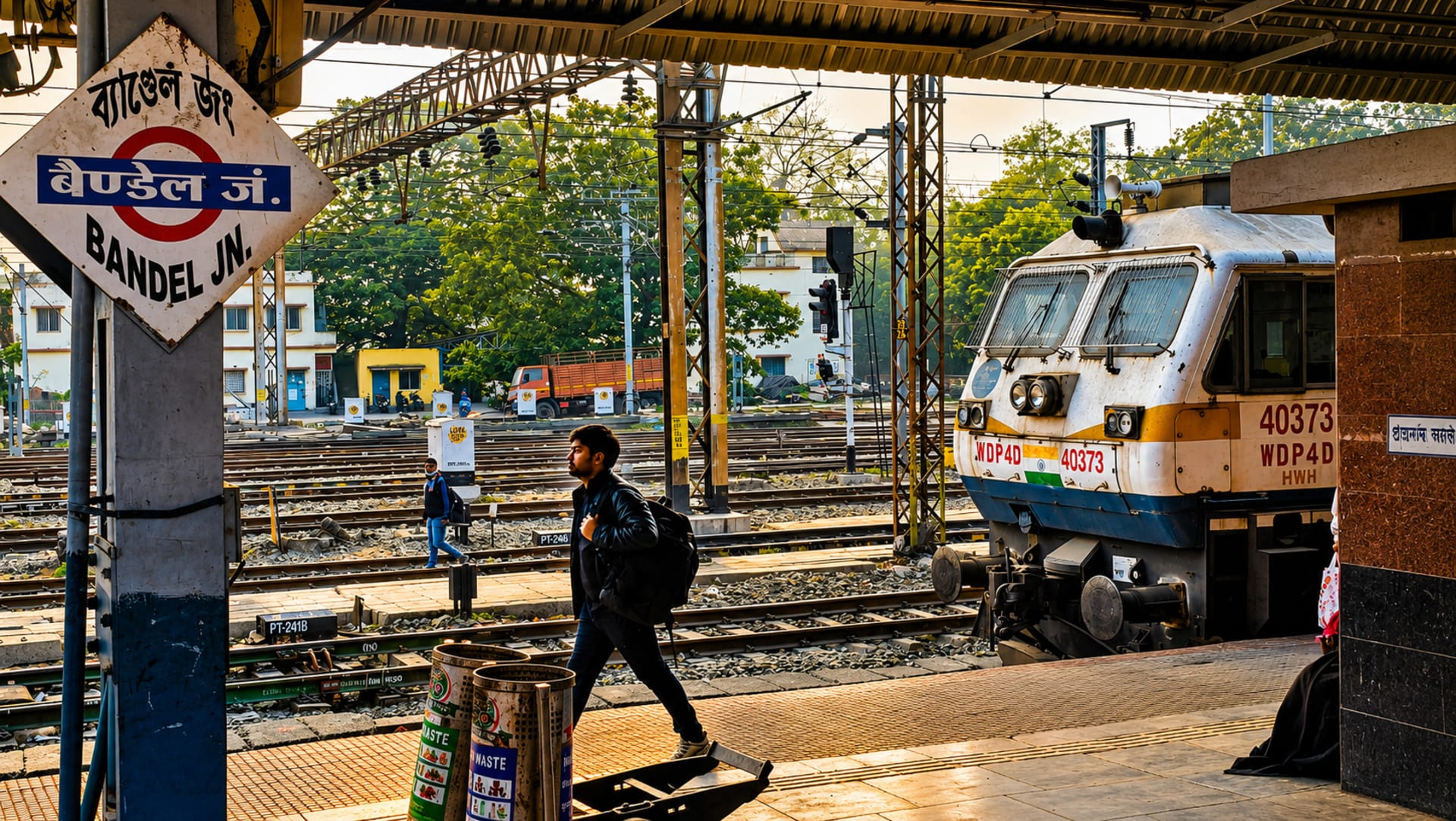
By the time we reached Bandel Junction, around 40km north of Kolkata, large groups of railway enthusiasts had gathered on the platforms photographing and filming this brand new train. Clearly, excitement surrounding the Vande Bharat Sleeper remains enormous across India. So, after nearly 1,000km onboard, what did I think of the experience? Overall, I came away very impressed. The train feels genuinely modern, the beds are comfortable, the onboard amenities are excellent, and the complimentary meals remove much of the stress normally associated with overnight rail travel. That said, there are still improvements needed. The lighting issue inside First Class cabins is a serious problem, and I’d also love to see proper private room booking introduced in the future. Personally, I think Second Class may actually represent the best balance between comfort, privacy, and value for solo travellers. Still, there’s absolutely no doubt that this is a major step forward for Indian Railways.
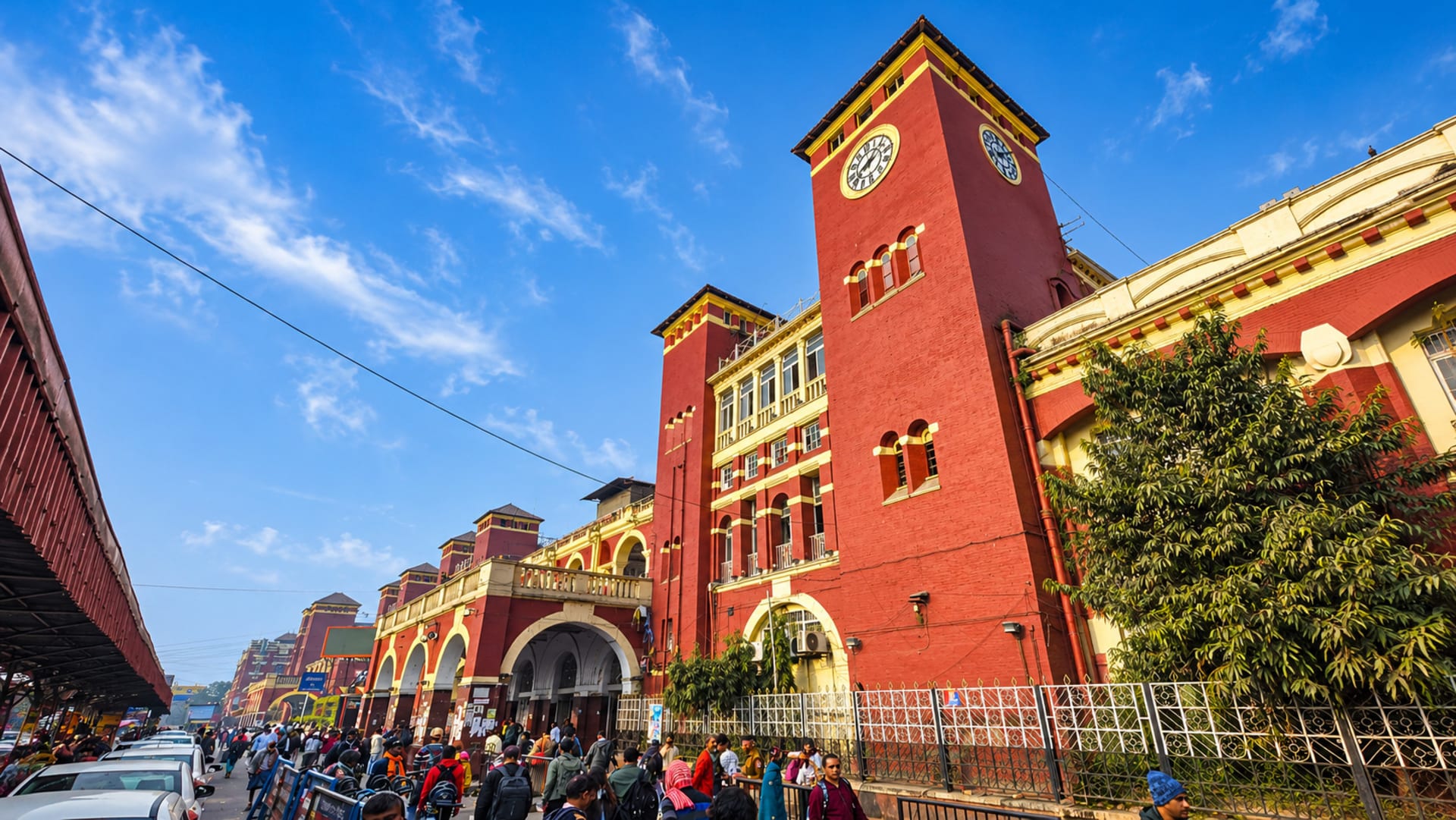
Exactly at 8am, and actually ten minutes ahead of schedule, we rolled into Kolkata’s enormous Howrah Junction station. Porters immediately surrounded the train offering to carry luggage through the vast station complex for small fees to waiting taxis and rickshaws outside. This train launch has generated massive attention across India, and honestly, I can understand why. If Indian Railways can iron out the small teething issues, particularly the cabin lighting and WiFi reliability, then I think the Vande Bharat Sleeper could become one of the country’s defining overnight train services for decades to come. For now though, the Vande Bharat Sleeper already delivers something incredibly important. A modern, comfortable, affordable overnight train experience that genuinely feels like the future of Indian Railways.
Keep exploring more train journeys, route notes, travel reviews, and practical trip reports from Nonstop Eurotrip.

Explore my latest uploads where i share thrilling adventures from around the world.